
Staying healthy despite office work
Currently there are many factors that affect health, the daily routine develops in a vertiginous way and sometimes it is difficult to maintain a rhythm of life that includes healthy habits.
Do you feel exhausted at the end of your workday? Do you feel aches and pains caused by lack of physical activity? All of this can be related to your area of work.
The workday occupies most of the hours of the day, so to feel better during it, you must make significant changes to stay healthy despite office work.
How does your office work affect your health?
In work life you must spend long hours at the office, this implies spending many hours away from home, affecting eating, resting and exercise habits that we should do daily.
If these harmful habits are maintained, they cause discomfort, fatigue, drowsiness and other symptoms that affect the good work performance of the employee.
Little by little the physical порно damage begins to be felt, as is the case with back pain, migraines and a tendency to gain weight, in addition to other health problems related to a sedentary lifestyle.
Healthy habits in the office
In order to maintain a routine of healthy habits, it is recommended that you organize your time to take a necessary break and organize your time to make changes that will benefit your health.
Feeding
Generally, if you spend the whole day at the office, you regularly take just a few minutes to satisfy your hunger with any snack; almost always fast food.
This type of routine is unhealthy, fast foods are heavy, and processed foods are difficult to digest, which has a negative impact on health.
A deficient intake of nutrients causes a decrease in some essential substances for the body, which alter the good mood, concentration and cognitive part of the person.
A balanced diet is the basis of a healthy routine, a person who eats properly, ingests the nutrients, vitamins and minerals necessary for the proper functioning of the body.

Hydration
It is very important that, in addition to adequate nutrition, you drink plenty of refreshing water. Staying hydrated helps processes at the cellular level, contributes to the proper functioning of the organs, and makes you feel more vigorous, well-being and energetic, which improves concentration and performance.
Decrease harmful substances
Excess sugar is very harmful to the body, as well as the habit of drinking a lot of coffee; everything should be consumed in moderation. What should always be avoided are carbonated drinks, as they have high concentrations of sugar πορνο and dyes that are harmful to health.
Necessary and beneficial breaks
Spending so much time sitting many times encourages the person to adopt inappropriate postures for hours, which cause back and hip pain.
The recommended thing in these cases is to try to keep the body in a position that is comfortable but where the back is as straight as possible.
From time to time, you should try to get up and get moving, if you can walk a few meters much better, since this will help you reactivate circulation, and feel good because you stretch your legs.
Rest your eyes
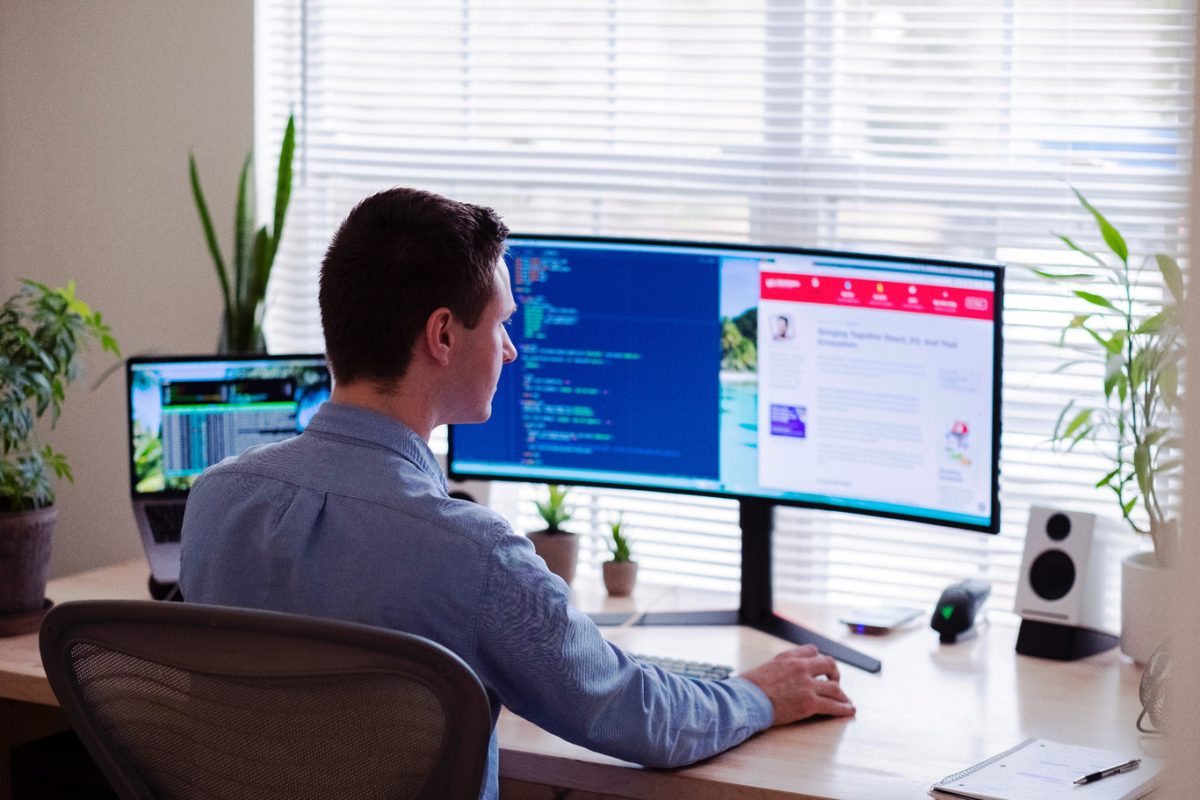
The working day is mostly spent in front of your PC, so you can suffer from eye strain, red eyes, dryness and other discomforts.
It is a good idea to close your eyes for a few seconds, or if you prefer, get up and look out the window, this will rest your eyes and make your work more productive.
Putting these recommendations into practice ensures that your life can remain healthy despite long hours at the office; combining good habits with motivation and rest, you will find the perfect balance in your day to day.